Thursday, September 27, 2012
Error in Golf Channel documentary on 1991 Ryder Cup
The most fascinating historical broadcast aspect of the excellent Golf Channel documentary War by the Shore on the 1991 Ryder Cup was the discussion of the Saturday afternoon NBC coverage. Commentator Mark Rolfing said that the last fourball match was still on the 13th hole when NBC had been scheduled to conclude its telecast at 6 pm ET. And Roger Maltbie remarked that TV networks did not typically overrun the scheduled ending time for golf events at that time. But NBC Sports president Dick Ebersol gave the go-ahead to stay on the air and NBC continued televising the action for 90 extra minutes and without commercial interruption. This was quite significant considering the relative lack of TV coverage for previous Ryder Cups.
However, this segment of the documentary contained an error. Around the 32 minute mark, during this discussion of the NBC Saturday telecast, Rolfing said: "And this is the first day of network coverage of a Ryder Cup". That statement is clearly wrong as ABC televised some Ryder Cups in the 1970s and 1980s. I'm surprised that the filmmaker didn't catch this factual error.
The documentary included some original footage from both USA Network and NBC. Overall, it did a great job of capturing the drama and significance of this event. I highly recommend watching a replay of this documentary.

Tuesday, September 25, 2012
Chronology of Ryder Cup coverage on US TV
While the Ryder Cup currently receives extensive TV coverage, this event was largely ignored by American TV networks for many years. Here is a summary of my research on the evolution of Ryder Cup TV coverage by US networks. I compiled this primarily from various newspaper archives.
Note: The above link takes you to a section of 506sports which contains detailed TV schedules and announcers for these Ryder Cups (free registration required to view). The hours listed represent the scheduled TV coverage.
<EDITED on 9/27/2018 to bring this up to date as of the 2018 event>
The lean early years
The 1959 Ryder Cup was the first one televised in the US as NBC provided 2 hours of coverage on Saturday (which is when the matches concluded at that time). Chick Hearn was the lead announcer.
As far as I can tell, none of the Ryder Cups during the 1960s received any US TV exposure. In 1971, Sports Network Incorporated (SNI) provided 90 minutes of syndicated coverage on the final Saturday.
In 1975, the Ryder Cup shifted to the current Fri-Sun schedule. ABC held the US network rights and carried 2.5 hours of coverage of the Sunday singles. ABC also provided Sunday coverage in 1979 (2.5 hours) and 1983 (2 hours) with Jim McKay as lead announcer. There was no US TV coverage of the 1973, 1977, or 1981 matches when the Ryder Cup was held overseas.
In 1985, ESPN provided the first ever US TV coverage for a Ryder Cup held in Europe. However this coverage lasted only 1 hour and was presented on tape delay in November some 7 weeks (!!) after the matches.
In 1987, American TV coverage finally extended to all three days of the event. ESPN carried 2 hours of coverage on Friday while ABC aired 2.5 hours each on Saturday and Sunday.
1989 was the first time that any US network covered a Ryder Cup live from Europe. The USA Network televised 2 hours each on Friday and Saturday and 3 hours on Sunday (all live). Jim Simpson was the lead play-by-play announcer. Gary McCord and Ben Wright were among the other voices on the USA Network telecast team.
The NBC era
The 1991 Ryder Cup was significant for many reasons, one of them being a huge increase in America TV coverage. USA Network expanded to show 9 hours on Friday with Bill Macatee and Peter Kostis anchoring. USA also covered the Saturday morning matches (4 hours). Macatee would be the primary voice on all subsequent Ryder Cups that USA covered through 2006. NBC aired the Saturday afternoon matches (4 hours) and provided 4.5 hours of action on Sunday. Charlie Jones was the lead announcer for NBC with Johnny Miller as primary analyst (where he remains to this day). The Sunday matches were scheduled to end by mid-afternoon so that NBC could cover regional NFL games at 4 pm ET. All 1991 coverage was live and this would remain the case for every subsequent Ryder Cup contested in the United States.
In 1993, USA again provided 9 hours of Friday coverage, but this time on tape delay. NBC carried 6 hours on tape delay Saturday and 4.5 hours live on Sunday with Jim Lampley as the lead announcer. In subsequent years, both USA and NBC would televise the Fri and Sat action on tape delay each time the matches were staged in Europe.
For the 1995 matches, USA expanded to 10 hours on Friday. NBC televised 6.5 hours each on Saturday and Sunday. On Saturday, NBC covered the morning session, broke off to televise a college football game, and then returned to air the end of the afternoon session. Dick Enberg took over as main NBC announcer. As in 1991, NBC would cover NFL 4 pm games after the Ryder Cup Sunday action.
In 1997, both the Friday coverage on USA (10 hours) and the Saturday coverage on NBC (6 hours) were on tape delay. NBC aired the Sunday singles live for 4.5 hours.
In 1999, USA expanded to 10.5 hours on Friday. NBC expanded to 10 hours on Saturday and followed with 6.5 hours on Sunday.
The scheduled 2001 matches were postponed in the aftermath of 9/11. In 2002, we again had tape delayed coverage on both Friday and Saturday (10 hours each day on USA and NBC respectively). NBC provided 5.5 hours of live coverage on Sunday. Dan Hicks assumed the role as lead NBC announcer.
The 2004 TV coverage was similar to 1999 while the 2006 TV coverage matched that of 2002.
In 2008, ESPN picked up the Friday rights with Mike Tirico anchoring. The TV times were the same as in 2004.
In 2010, ESPN came on the air live at 2:30 am ET on Friday and was scheduled for 10.5 hours. This marked the first live Ryder Cup Friday coverage from a venue in Europe since 1989. NBC again planned to tape delay the 10 hours of Saturday coverage and televise 6 hours live on Sunday. However, rain interrupted the Friday play forcing significant schedule adjustments. ESPN wound up covering 5 hours of the revised Saturday session starting at 3 am with NBC then picking up live coverage at 8 am. After the Saturday matches concluded, NBC filled in with tape delayed coverage of earlier matches until 6 pm. On Sunday, NBC came on the air at 4 am for live coverage. The singles matches were moved to Monday and carried live by USA Network starting at 4 am.
For 2012, ESPN expanded to 11.5 hours on Friday while NBC went with the traditional 10 and 6 on the weekend.
2014 marked the first time that an entire Ryder Cup held in Europe was scheduled to be televised live in the US. The Friday coverage moved to Golf Channel which started at 2:30 am ET. NBC had 10 hours on Saturday (starting at 3 am ET) and 6 hours on Sunday beginning at 7 am.
For 2016, Golf Channel again scheduled 10.5 hours on Friday with NBC on tap for 10 hours on Saturday and 6 on Sunday. Recent NBC hire Tirico will host all 3 days and fellow NBC newcomer David Feherty joins the telecast team.
The scheduled 2018 coverage is similar to that of 2014. Golf Channel increases the Friday coverage to 11 hours starting at 2 am ET and will come on the air the same time on Saturday for one hour leading into NBC's 10 hours. NBC expands to 7 hours on Sunday starting at 6 am.
Note: The above link takes you to a section of 506sports which contains detailed TV schedules and announcers for these Ryder Cups (free registration required to view). The hours listed represent the scheduled TV coverage.
<EDITED on 9/27/2018 to bring this up to date as of the 2018 event>
The lean early years
The 1959 Ryder Cup was the first one televised in the US as NBC provided 2 hours of coverage on Saturday (which is when the matches concluded at that time). Chick Hearn was the lead announcer.
As far as I can tell, none of the Ryder Cups during the 1960s received any US TV exposure. In 1971, Sports Network Incorporated (SNI) provided 90 minutes of syndicated coverage on the final Saturday.
In 1975, the Ryder Cup shifted to the current Fri-Sun schedule. ABC held the US network rights and carried 2.5 hours of coverage of the Sunday singles. ABC also provided Sunday coverage in 1979 (2.5 hours) and 1983 (2 hours) with Jim McKay as lead announcer. There was no US TV coverage of the 1973, 1977, or 1981 matches when the Ryder Cup was held overseas.
In 1985, ESPN provided the first ever US TV coverage for a Ryder Cup held in Europe. However this coverage lasted only 1 hour and was presented on tape delay in November some 7 weeks (!!) after the matches.
In 1987, American TV coverage finally extended to all three days of the event. ESPN carried 2 hours of coverage on Friday while ABC aired 2.5 hours each on Saturday and Sunday.
1989 was the first time that any US network covered a Ryder Cup live from Europe. The USA Network televised 2 hours each on Friday and Saturday and 3 hours on Sunday (all live). Jim Simpson was the lead play-by-play announcer. Gary McCord and Ben Wright were among the other voices on the USA Network telecast team.
The NBC era
The 1991 Ryder Cup was significant for many reasons, one of them being a huge increase in America TV coverage. USA Network expanded to show 9 hours on Friday with Bill Macatee and Peter Kostis anchoring. USA also covered the Saturday morning matches (4 hours). Macatee would be the primary voice on all subsequent Ryder Cups that USA covered through 2006. NBC aired the Saturday afternoon matches (4 hours) and provided 4.5 hours of action on Sunday. Charlie Jones was the lead announcer for NBC with Johnny Miller as primary analyst (where he remains to this day). The Sunday matches were scheduled to end by mid-afternoon so that NBC could cover regional NFL games at 4 pm ET. All 1991 coverage was live and this would remain the case for every subsequent Ryder Cup contested in the United States.
In 1993, USA again provided 9 hours of Friday coverage, but this time on tape delay. NBC carried 6 hours on tape delay Saturday and 4.5 hours live on Sunday with Jim Lampley as the lead announcer. In subsequent years, both USA and NBC would televise the Fri and Sat action on tape delay each time the matches were staged in Europe.
For the 1995 matches, USA expanded to 10 hours on Friday. NBC televised 6.5 hours each on Saturday and Sunday. On Saturday, NBC covered the morning session, broke off to televise a college football game, and then returned to air the end of the afternoon session. Dick Enberg took over as main NBC announcer. As in 1991, NBC would cover NFL 4 pm games after the Ryder Cup Sunday action.
In 1997, both the Friday coverage on USA (10 hours) and the Saturday coverage on NBC (6 hours) were on tape delay. NBC aired the Sunday singles live for 4.5 hours.
In 1999, USA expanded to 10.5 hours on Friday. NBC expanded to 10 hours on Saturday and followed with 6.5 hours on Sunday.
The scheduled 2001 matches were postponed in the aftermath of 9/11. In 2002, we again had tape delayed coverage on both Friday and Saturday (10 hours each day on USA and NBC respectively). NBC provided 5.5 hours of live coverage on Sunday. Dan Hicks assumed the role as lead NBC announcer.
The 2004 TV coverage was similar to 1999 while the 2006 TV coverage matched that of 2002.
In 2008, ESPN picked up the Friday rights with Mike Tirico anchoring. The TV times were the same as in 2004.
In 2010, ESPN came on the air live at 2:30 am ET on Friday and was scheduled for 10.5 hours. This marked the first live Ryder Cup Friday coverage from a venue in Europe since 1989. NBC again planned to tape delay the 10 hours of Saturday coverage and televise 6 hours live on Sunday. However, rain interrupted the Friday play forcing significant schedule adjustments. ESPN wound up covering 5 hours of the revised Saturday session starting at 3 am with NBC then picking up live coverage at 8 am. After the Saturday matches concluded, NBC filled in with tape delayed coverage of earlier matches until 6 pm. On Sunday, NBC came on the air at 4 am for live coverage. The singles matches were moved to Monday and carried live by USA Network starting at 4 am.
For 2012, ESPN expanded to 11.5 hours on Friday while NBC went with the traditional 10 and 6 on the weekend.
2014 marked the first time that an entire Ryder Cup held in Europe was scheduled to be televised live in the US. The Friday coverage moved to Golf Channel which started at 2:30 am ET. NBC had 10 hours on Saturday (starting at 3 am ET) and 6 hours on Sunday beginning at 7 am.
For 2016, Golf Channel again scheduled 10.5 hours on Friday with NBC on tap for 10 hours on Saturday and 6 on Sunday. Recent NBC hire Tirico will host all 3 days and fellow NBC newcomer David Feherty joins the telecast team.
The scheduled 2018 coverage is similar to that of 2014. Golf Channel increases the Friday coverage to 11 hours starting at 2 am ET and will come on the air the same time on Saturday for one hour leading into NBC's 10 hours. NBC expands to 7 hours on Sunday starting at 6 am.
Sunday, September 23, 2012
Golf Channel documentary on 1991 Ryder Cup
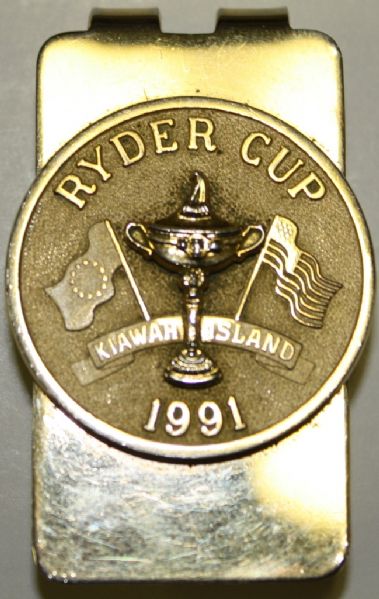
On Tuesday 9/25 at 9pm ET, Golf Channel will premiere a documentary on the 1991 Ryder Cup matches from the Kiawah Island Ocean Course. The film, which is titled War by the Shore, features archived footage and current interviews with many of the players from that event including Hale Irwin, Bernhard Langer, Mark Calcavecchia, Nick Faldo, Paul Azinger, and David Feherty. The 1-hour documentary also contains commentary from TV announcers such as Johnny Miller, Roger Maltbie, and Mark Rolfing who called the matches for NBC that weekend.

This special will be replayed multiple times on both Golf Channel and NBC Sports Network. You can see a preview clip on the Golf Channel site.

This special will be replayed multiple times on both Golf Channel and NBC Sports Network. You can see a preview clip on the Golf Channel site.
Tuesday, September 18, 2012
Tribute to Steve Sabol of NFL Films
I was saddened to learn of the passing of NFL Films president Steve Sabol today. Steve (along with his father Ed) contributed so much to the growth of the NFL with creative and innovative filmmaking.
I remember watching This Week in Pro Football back in the 1970s with Pat Summerall and Tom Brookshier voicing over game highlights from the previous week. And the Super Bowl highlight films narrated by the great voice of John Facenda, most notably the miking of Chiefs coach Hank Stram for the Super Bowl IV edition.
Sabol artfully mixed footage and narration with the iconic music of Sam Spence.
I need to mention two of my favorite recent features from NFL Films. First was the Lost Treasures of NFL Films series from 2002 where Sabol unearthed behind the scenes vault footage which had never been aired.
And secondly, the 2009 series Full Color Football: The History of the American Football League which chonicled the birth and growth of the AFL.
Thank you Steve Sabol for all of your contributions to chronicle the history of professional football. The Hall of Fame finally inducted your dad in 2011. You belong in Canton with him.
I remember watching This Week in Pro Football back in the 1970s with Pat Summerall and Tom Brookshier voicing over game highlights from the previous week. And the Super Bowl highlight films narrated by the great voice of John Facenda, most notably the miking of Chiefs coach Hank Stram for the Super Bowl IV edition.
Sabol artfully mixed footage and narration with the iconic music of Sam Spence.
I need to mention two of my favorite recent features from NFL Films. First was the Lost Treasures of NFL Films series from 2002 where Sabol unearthed behind the scenes vault footage which had never been aired.
And secondly, the 2009 series Full Color Football: The History of the American Football League which chonicled the birth and growth of the AFL.
Thank you Steve Sabol for all of your contributions to chronicle the history of professional football. The Hall of Fame finally inducted your dad in 2011. You belong in Canton with him.
Sunday, September 16, 2012
Classic NY Mets broadcast team of Nelson, Murphy, and Kiner
My first memories of following baseball come from the 1969 season and the New York Mets tremendous broadcast team of Lindsey Nelson, Bob Murphy, and Ralph Kiner. This trio was the inaugural set of announcers for the expansion Mets in 1962 and stayed intact for 17 years handling both TV and radio duties.

Nelson was a versatile broadcaster who also called a lot of college and pro football on the national stage. He was known for wearing an array of colorful patterned sports jackets. Murphy was a solid announcer who also called some regional college football on ABC. He moved exclusively to radio when the Mets created separate radio and TV crews in 1982. Both Nelson (1988) and Murphy (1994) were honored by the baseball Hall of Fame with the Ford C Frick broadcasting award.
Kiner, a Hall of Fame player, was never a polished broadcaster and was prone to mispronunciations and malapropism. But he was a great storyteller and provided brilliant baseball insight. In 1973, Mike Schmidt struggled mightily during his first full season and stuck out frequently. But I recall watching a Mets-Phillies telecast that year as Kiner kept raving about Schmidt's swing and predicted he would have a bright future. Ralph also hosted the Kiner's Korner postgame show after home telecasts on WOR-TV channel 9. This quirky but popular show typically featured highlights from the game with Kiner interviewing a key player from the winning team.
This clip from the 1969 East division clincher features Murphy at the start, Kiner around the 0:57 mark and Nelson around the 1:23 mark.
After the 1978 season, Nelson left to become the lead announcer of the San Francisco Giants. Murphy remained the voice of Mets radio through the 2003 season. Kiner is still a part-time member of the Mets TV team and makes occasional on-air appearances.
Nelson was a versatile broadcaster who also called a lot of college and pro football on the national stage. He was known for wearing an array of colorful patterned sports jackets. Murphy was a solid announcer who also called some regional college football on ABC. He moved exclusively to radio when the Mets created separate radio and TV crews in 1982. Both Nelson (1988) and Murphy (1994) were honored by the baseball Hall of Fame with the Ford C Frick broadcasting award.
Kiner, a Hall of Fame player, was never a polished broadcaster and was prone to mispronunciations and malapropism. But he was a great storyteller and provided brilliant baseball insight. In 1973, Mike Schmidt struggled mightily during his first full season and stuck out frequently. But I recall watching a Mets-Phillies telecast that year as Kiner kept raving about Schmidt's swing and predicted he would have a bright future. Ralph also hosted the Kiner's Korner postgame show after home telecasts on WOR-TV channel 9. This quirky but popular show typically featured highlights from the game with Kiner interviewing a key player from the winning team.
This clip from the 1969 East division clincher features Murphy at the start, Kiner around the 0:57 mark and Nelson around the 1:23 mark.
After the 1978 season, Nelson left to become the lead announcer of the San Francisco Giants. Murphy remained the voice of Mets radio through the 2003 season. Kiner is still a part-time member of the Mets TV team and makes occasional on-air appearances.
Friday, September 14, 2012
Jim Lampley calling Division 3 football on ABC in 1977
Here is an ABC regional college football telecast from 11/12/1977 between Division 3 rivals Wabash and DePauw with a young Jim Lampley calling the action. Lampley started with ABC in 1974 as a sideline reporter. By 1977, he had moved into a regional play-by-play role. The analyst was former Detroit Lions coach Rick Forzano.
At the time, the ABC TV contract with the NCAA required the network to televise a few Division 2 and Division 3 games each year, so this telecast helped ABC satisfy the terms of that deal. These D2/D3 games typically went to very small regional audiences. When this game ended, viewers joined in progress the primary ABC telecast between Colorado and Oklahoma which was called by Keith Jackson and Ara Parseghian.
Here is a brief video with some background on this telecast. ABC decided to televise it only 3 days in advance. This clip also includes a great tidbit about Billy Joel performing a concert on the DePauw campus the night before this game (which was 6 weeks after his breakout album "The Stranger" was released).
At the time, the ABC TV contract with the NCAA required the network to televise a few Division 2 and Division 3 games each year, so this telecast helped ABC satisfy the terms of that deal. These D2/D3 games typically went to very small regional audiences. When this game ended, viewers joined in progress the primary ABC telecast between Colorado and Oklahoma which was called by Keith Jackson and Ara Parseghian.
Here is a brief video with some background on this telecast. ABC decided to televise it only 3 days in advance. This clip also includes a great tidbit about Billy Joel performing a concert on the DePauw campus the night before this game (which was 6 weeks after his breakout album "The Stranger" was released).
Friday, September 7, 2012
The launch of ESPN on 9/7/1979
33 years ago today at 7 pm ET, ESPN launched and its first program was SportsCenter. Lee Leonard was the first voice on the air on the Total Sports Cable Network as ESPN billed itself. George Grande was at the SportsCenter desk that evening. The first actual sporting event that ESPN televised was slow pitch softball.
Here is what it looked like when ESPN hit the airwaves on 9/7/1979:
Here is what it looked like when ESPN hit the airwaves on 9/7/1979:
Tuesday, September 4, 2012
Two ESPN Classic specials on 1972 Munich Massacre
Tomorrow marks the 40th anniversary of the September 5th terrorist act against Israeli athletes and coaches at the 1972 Summer Olympics in Munich. ESPN Classic will show a pair of 1-hour episodes numerous times over the next 2 days. The first one, called Tragedy at Munich, is part of the tremendous ongoing series featuring original ABC footage from this Olympiad. The second is titled Tragedy of the Munich Games. Set the DVR for both.
ABC coverage of the "imposter" at the 1972 Olympic marathon
Here is my review of the episode in the ESPN Classic series on the 1972 Munich games which focused on the Olympic marathon. Jim McKay called the action for ABC with Erich Segal as "expert commentator" which was the term ABC used for its Olympic analysts. Segal was an author best known for writing the novel Love Story, but he was also a recreational runner and had raced in the Boston Marathon many times.
ABC televised the start of the marathon live and the episode began with that footage. The special then showed an interview Segal had conducted with Shorter while the two were running. Segal taught at Yale where Shorter had been one of his students. Host Chris Schenkel voiced over some of the mid-race footage.
But the most memorable aspect of this event took place near the end of the race when a West German student wearing a running uniform with the number 72 emerged from the tunnel onto the stadium track ahead of leader Frank Shorter and pretended to be winning the race.
Segal was noticeably upset at what was unfolding and his emotional commentary is priceless and worth a viewing: "That is an imposter! Get him off the track! ... This happens in bush league marathons! ... Throw the bum out! ... Get rid of that guy!" A bit later, he personalizes his on-air remarks: "Come on Frank! You won it! ... It's a fake, Frank!"
ESPN committed an embarassing gaffe by superimposing a graphic reading "voice of Eric Siegel" which botched the spelling of both his first and last names. ESPN Classic will provide multiple re-airigs of this 30-minute episode as it doing for all shows in this series.
ABC televised the start of the marathon live and the episode began with that footage. The special then showed an interview Segal had conducted with Shorter while the two were running. Segal taught at Yale where Shorter had been one of his students. Host Chris Schenkel voiced over some of the mid-race footage.
But the most memorable aspect of this event took place near the end of the race when a West German student wearing a running uniform with the number 72 emerged from the tunnel onto the stadium track ahead of leader Frank Shorter and pretended to be winning the race.
Segal was noticeably upset at what was unfolding and his emotional commentary is priceless and worth a viewing: "That is an imposter! Get him off the track! ... This happens in bush league marathons! ... Throw the bum out! ... Get rid of that guy!" A bit later, he personalizes his on-air remarks: "Come on Frank! You won it! ... It's a fake, Frank!"
ESPN committed an embarassing gaffe by superimposing a graphic reading "voice of Eric Siegel" which botched the spelling of both his first and last names. ESPN Classic will provide multiple re-airigs of this 30-minute episode as it doing for all shows in this series.
Monday, September 3, 2012
ABC coverage of USA track controversies in 1972 Olympics
The USA Track Controversy episode in the great ESPN Classic series on the 1972 Munich Summer Olympics focused on the following events:
Say what you want about Cosell as a broadcaster, but the man conducted interesting interviews, was willing to ask probing questions, and always seemed to get the key figures on the air to discuss difficult topics. The episode also included separate interviews that Cosell did with Robinson and Hart and a joint interview that he got with Matthews and Collett.
Jim McKay and Bill Toomey called the 400m races. McKay and Marty Liquori called the 1500m heat. The show also included one 100m heat which McKay called without an analyst.
- sprinters Rey Robinson and Eddie Hart missing their 100m heats because the USA track coaches were using an outdated time schedule
- the controversial podium demonstration by 400m gold medalist Vince Matthews and silver medalist Wayne Collett during the playing of the national anthem
- Jim Ryun being tripped in a 1500m qualifying heat and failing to advance in that event
Say what you want about Cosell as a broadcaster, but the man conducted interesting interviews, was willing to ask probing questions, and always seemed to get the key figures on the air to discuss difficult topics. The episode also included separate interviews that Cosell did with Robinson and Hart and a joint interview that he got with Matthews and Collett.
Jim McKay and Bill Toomey called the 400m races. McKay and Marty Liquori called the 1500m heat. The show also included one 100m heat which McKay called without an analyst.
Sunday, September 2, 2012
Upcoming replays of classic Ryder Cups on Golf Channel
The next three Tuesdays, Golf Channel will be re-airing original NBC telecast footage from previous classic Ryder Cup matches. Here is the schedule for these 3-hour episodes titled Ryder Cup Tuesdays which cover the final day singles matches (times are ET):
Charlie Jones handled the lead play-by-play role for NBC in 1991. And David Feherty played for Europe in the famous Ryder Cup known as the "War By the Shore".
- Tues 9/4 at 8:30 pm - 1997 Ryder Cup final day
- Tues 9/11 at 8:30 pm - 1999 Ryder Cup final day
- Tues 9/18 at 8:30 pm - 1991 Ryder Cup final day
Charlie Jones handled the lead play-by-play role for NBC in 1991. And David Feherty played for Europe in the famous Ryder Cup known as the "War By the Shore".
Friday, August 31, 2012
Observations on the ABC coverage of 1972 Olympic basketball
One of the episodes in the ESPN Classic series on the 1972 Munich Summer Olympics focused on USA basketball. This 2-hour special (which will be re-aired a few more times) contained original ABC footage from 4 of the USA games. Over half of the show was devoted to the gold medal game against the USSR.
Frank Gifford and Bill Russell were the primary basketball announcers and called the final. However, Bill Flemming worked with Russell on a few games. (Gifford also called wrestling in Munich.) The special included Olympic host Chris Schenkel leading into the game coverage (which was shown on tape delay) and providing the results in advance.
Gifford sounded out of his element calling basketball play-by-play. At times, ABC showed a fullscreen view of the scoreboard while game action was taking place. At one point, you could hear loud coughing (presumably Russell) and soon afterwards, it sounded like a microphone got switched off.
Throughout the end of the controversial gold medal game, Gifford seemed extremely confused although it is hard to blame him too much considering the bizarre scene and strange actions by the officials. Right as the USSR was about to inbound the second time with 3 seconds left, ABC inexplicably cut to a shot of the scoreboard and missed the attempted play. After the finish, Gifford provided the incorrect score when he referred back to the earlier apparent USA victory. For some reason, Russell, after making a comment during free throws with 1:50 left on the game clock, was not heard on-air for the rest of the game.
Frank Gifford and Bill Russell were the primary basketball announcers and called the final. However, Bill Flemming worked with Russell on a few games. (Gifford also called wrestling in Munich.) The special included Olympic host Chris Schenkel leading into the game coverage (which was shown on tape delay) and providing the results in advance.
Gifford sounded out of his element calling basketball play-by-play. At times, ABC showed a fullscreen view of the scoreboard while game action was taking place. At one point, you could hear loud coughing (presumably Russell) and soon afterwards, it sounded like a microphone got switched off.
Throughout the end of the controversial gold medal game, Gifford seemed extremely confused although it is hard to blame him too much considering the bizarre scene and strange actions by the officials. Right as the USSR was about to inbound the second time with 3 seconds left, ABC inexplicably cut to a shot of the scoreboard and missed the attempted play. After the finish, Gifford provided the incorrect score when he referred back to the earlier apparent USA victory. For some reason, Russell, after making a comment during free throws with 1:50 left on the game clock, was not heard on-air for the rest of the game.
Tuesday, August 28, 2012
ESPN Classic series on the 1972 Summer Olympics
Over the next two weeks, ESPN Classic is running a series to mark the 40th anniversary of the 1972 Summer Olympics. These episodes titled Summer Olympics - 1972 Munich feature the original ABC telecast footage. This series includes episodes on:
- Olga Korbut
- Mark Spitz
- USA Track controversy
- USA-USSR basketball final
- Marathon (won by Frank Shorter)
- USA boxing (Ray Seales)
- USA swimming and diving
- USA wrestling
- USA women's gynmastics
- Tragedy at Munich
- and more
Monday, August 27, 2012
Estimating the total number of MLB games broadcast by Vin Scully
Recently the Dodgers announced that the legendary Vin Scully will return in 2013 for a 64th season of broadcasting games for the franchise. On the heels of this news, a member of the506 wondered how many Major League Baseball games Scully has called during his career and decided to initiate a collaborative effort towards estimating that number. (Note: Free registration required to view this forum thread on the506.)
As of this writing, the estimate (which counts regular season, postseason, and All-Star games) is that Scully will have broadcast a total of 9183 MLB games by the end of the 2012 regular season. The number includes his network (NBC television and CBS radio) appearances along with his local TV/radio work for the Dodgers.
As of this writing, the estimate (which counts regular season, postseason, and All-Star games) is that Scully will have broadcast a total of 9183 MLB games by the end of the 2012 regular season. The number includes his network (NBC television and CBS radio) appearances along with his local TV/radio work for the Dodgers.
Sunday, August 19, 2012
Error by filmmaker in ESPN 30 for 30 Pony Exce$$ documentary
One of the best episodes from the ESPN 30 for 30 documentary series was Pony Exce$$ which chronicled the 1980s SMU football program. An NCAA investigation into illegal payments to players led to the school receiving the so-called "death penalty".
Starting around the 28:55 mark, the film devotes a few minutes to the 10/25/1980 SMU game at Texas. This segment contains ABC TV footage featuring announcers Al Michaels and Lee Grosscup allegedly previewing this matchup between the Mustangs and Longhorns. The documentary inserts the 10/25/1980 date on the screen right after the first ABC clip and later describes this game as being on "national TV".
However, there are several problems here. ABC did not televise this 1980 game at all. ABC covered nine regional games in two timeslots that afternoon (noon and 3:30 pm ET), but not the game from Austin which started at 2 pm. The ABC video clip contains a CFA logo, but the CFA TV package didn't exist in 1980. Also, Michaels and Grosscup didn't work together in 1980.
It turns out that this ABC footage is actually from an SMU-Texas game in 1984. The insertion of this clip into the otherwise excellent documentary was a definite error by the filmmaker.
Starting around the 28:55 mark, the film devotes a few minutes to the 10/25/1980 SMU game at Texas. This segment contains ABC TV footage featuring announcers Al Michaels and Lee Grosscup allegedly previewing this matchup between the Mustangs and Longhorns. The documentary inserts the 10/25/1980 date on the screen right after the first ABC clip and later describes this game as being on "national TV".
However, there are several problems here. ABC did not televise this 1980 game at all. ABC covered nine regional games in two timeslots that afternoon (noon and 3:30 pm ET), but not the game from Austin which started at 2 pm. The ABC video clip contains a CFA logo, but the CFA TV package didn't exist in 1980. Also, Michaels and Grosscup didn't work together in 1980.
It turns out that this ABC footage is actually from an SMU-Texas game in 1984. The insertion of this clip into the otherwise excellent documentary was a definite error by the filmmaker.
Sunday, August 12, 2012
Golf Channel documentary on Snead/Nelson/Hogan
Golf Channel is premiering a film on Mon 8/13 at 9 pm ET which chronicles the impact of Sam Snead, Byron Nelson, and Ben Hogan on the game of golf. This documentary titled American Triumvirate includes interviews from other greats such as Jack Nicklaus, Johnny Miller, and Ken Venturi. Golf Channel will re-air this special multiple times in the upcoming days.
This preview clip from the episode features Nicklaus discussing Nelson:
This preview clip from the episode features Nicklaus discussing Nelson:
Sunday, August 5, 2012
Curt Gowdy calling an Olympic swimming event in 1976
Want to hear Curt Gowdy announcing a swimming race? Here is a video of the women's 4x100m freestyle relay from the 1976 Olympics in Montreal as the USA team took the gold medal over the favored East Germans. Gowdy called the race for ABC along with analyst Donna DeVarona. Gowdy worked for NBC at the time and was still their #1 NFL play-by-play voice, but NBC loaned Gowdy to ABC for the Montreal Olympics. Gowdy also called basketball with Bill Russell at the 1976 games.
A few items of note from the clip: When the announcers appear on the screen at the 0:53 mark wearing the famous ABC yellow blazers, their press credentials are clearly visible on camera. Around the 6:23 mark, Gowdy twice cuts off DeVarona and talks for almost 20 seconds recapping the lane assignments before allowing her to make a point. Also, multiple times Gowdy refers to the event as the "4 times 100 meters".
A few items of note from the clip: When the announcers appear on the screen at the 0:53 mark wearing the famous ABC yellow blazers, their press credentials are clearly visible on camera. Around the 6:23 mark, Gowdy twice cuts off DeVarona and talks for almost 20 seconds recapping the lane assignments before allowing her to make a point. Also, multiple times Gowdy refers to the event as the "4 times 100 meters".
Friday, August 3, 2012
Historic Olympic Broadcaster Logos
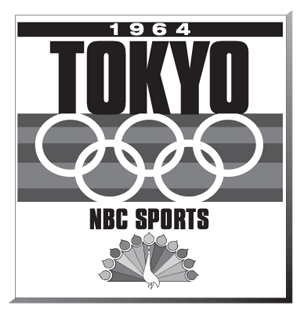
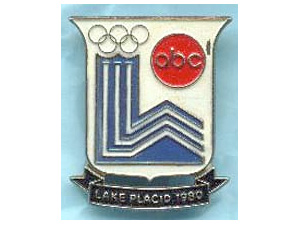
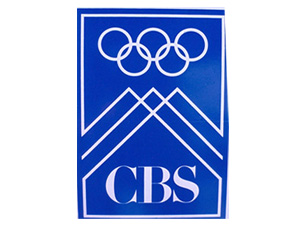
I stumbled onto an interesting feature on a blog which contains images of the broadcaster logos for the United States networks which televised the Olympic games going back to the 1960s. The site has some commentary on the designs of these broadcaster logos along with images of the official logos for each Olympiad and provides an intriguing look at how these emblems have evolved over time. It also includes historical background information on the US TV coverage over the years such as rights fees and hours of programming.
Here are a few of the TV broadcaster logos: NBC Tokyo 1964, ABC Lake Placid 1980, and CBS Albertville 1992.


Here are a few of the TV broadcaster logos: NBC Tokyo 1964, ABC Lake Placid 1980, and CBS Albertville 1992.
Friday, July 27, 2012
ABC clip of spectacular Olga Korbut routine from 1972 Olympics
Here is perhaps the most famous gymnastics performance of all time. During the team competition of the 1972 Olympics in Munich. 17-year old Olga Korbut of the USSR executed a never before seen maneuver on the uneven parallel bars. This routine propelled the then unknown Korbut into a household name and helped fuel interest in gymnastics. The electritfying move which became known as the Korbut Flip was subsequently banned for safety reasons.
Jim McKay called the action for ABC and the enthusiastic analyst was former gymnastics coach Gordon Maddux.
Jim McKay called the action for ABC and the enthusiastic analyst was former gymnastics coach Gordon Maddux.
Monday, July 23, 2012
Remembering Dave Wottle winning 1972 Olympic 800 meters
While the 1972 Summer Olympics are unfortunately best known for the terrorist attack on Sept 5, the Munich games featured many memorable events during the competition. I still vividly recall watching the 800 meter final on Sept 2 when Dave Wottle of the USA came from well behind to win the gold medal at the wire. Wottle famously ran the race wearing a golf cap. The IOC has since banned hats during track events.
The ABC announcers were Jim McKay and former middle distance runner Marty Liquori. This is a classic call by McKay who handled track and field and gymnastics during the 1972 games. Of course, he is best remembered for his coverage of the hostage crisis a few days later.
At the start of the race, ABC displayed individual graphics for each runner, but never showed one for lane 8 as the event started while McKay was still announcing the participants. The end of the clip also features Chris Schenkel who was the primary ABC host for the Munich Olympiad.
The ABC announcers were Jim McKay and former middle distance runner Marty Liquori. This is a classic call by McKay who handled track and field and gymnastics during the 1972 games. Of course, he is best remembered for his coverage of the hostage crisis a few days later.
At the start of the race, ABC displayed individual graphics for each runner, but never showed one for lane 8 as the event started while McKay was still announcing the participants. The end of the clip also features Chris Schenkel who was the primary ABC host for the Munich Olympiad.
Sunday, July 1, 2012
Observations on the 1967 NIT final footage on MSG Vault
Recently, I posted about the MSG Vault episode which included footage from the CBS telecast of the 1967 NIT championship game featuring Walt Frazier. After watching my recording a few times, I will share some observations:
The show contained a fair amount of footage from the original telecast. The audio and video quality was fantastic considering this game took place 45 years ago. What a find by the Carbondale PBS station!
I found several aspects of the playing surface quite noticeable. The floor contains mostly light colored boards interspersed with some darker ones, but not in any specific pattern. The midcourt stripe was yellow as were other court lines. The color of these markings was not significantly distinguishable from that of the light floorboards making these lines rather difficult to see. Also striking was the complete lack of logos on the floor. There was nothing on the court surface which identified this as an NIT game or the site as Madison Square Garden. You can see the court in the video clip I added to my original post.
Play-by-play man Tom Kelly did a decent job, but analyst Frank Gifford offered very little commentary during game action. There was also an odd moment during the opening to the telecast. As Kelly set the scene, Gifford's head shifted awkwardly several times as he almost seemed to be going out of his way to look anywhere but at the camera. You can see also this segment in the same video clip.
The only CBS graphic I noticed was the one identifying Frazier as the MVP during the postgame interview. A few times, CBS superimposed a shot of the stadium scoreboard underneath the action. And Kelly mentioned the score quite frequently during his play-by-play. Throughout the telecast, you can also clearly hear the public address announcer providing information on score, fouls, substitutions, etc.
If you haven't seen this and have access to MSG Network, I highly recommend this episode which will be re-airing many times over the next few weeks.
The show contained a fair amount of footage from the original telecast. The audio and video quality was fantastic considering this game took place 45 years ago. What a find by the Carbondale PBS station!
I found several aspects of the playing surface quite noticeable. The floor contains mostly light colored boards interspersed with some darker ones, but not in any specific pattern. The midcourt stripe was yellow as were other court lines. The color of these markings was not significantly distinguishable from that of the light floorboards making these lines rather difficult to see. Also striking was the complete lack of logos on the floor. There was nothing on the court surface which identified this as an NIT game or the site as Madison Square Garden. You can see the court in the video clip I added to my original post.
Play-by-play man Tom Kelly did a decent job, but analyst Frank Gifford offered very little commentary during game action. There was also an odd moment during the opening to the telecast. As Kelly set the scene, Gifford's head shifted awkwardly several times as he almost seemed to be going out of his way to look anywhere but at the camera. You can see also this segment in the same video clip.
The only CBS graphic I noticed was the one identifying Frazier as the MVP during the postgame interview. A few times, CBS superimposed a shot of the stadium scoreboard underneath the action. And Kelly mentioned the score quite frequently during his play-by-play. Throughout the telecast, you can also clearly hear the public address announcer providing information on score, fouls, substitutions, etc.
If you haven't seen this and have access to MSG Network, I highly recommend this episode which will be re-airing many times over the next few weeks.
Subscribe to:
Posts (Atom)